Generic drugs offer a inexpensive alternative to brand-name medications. They contain the comparable active ingredients as their brand-name counterparts and are held to the exact quality standards by regulatory agencies like the FDA. When a patent on a brand-name drug ends, generic versions can be created. Choosing a generic drug can aid consumers reduce on their healthcare bills.
To make an informed decision about using a generic drug, it's important to discuss with your doctor. They can give guidance based on your individual health needs and help you grasp the potential advantages and drawbacks.
- Always read the label carefully to confirm that the generic drug is the correct one for your problem.
- Keep in mind that generic drugs may have a varied appearance than their brand-name equivalents, but this does not impact their effectiveness.
Generic Drug Names: What You Need to Know
Generic drug names are crucial for understanding the medication you're taking. They provide a specific identifier for the active ingredient in a drug, regardless of the brand name. Knowing this generic name allows you to evaluate different medications and their prices effectively. , Additionally, it helps you communicate clearly with your doctor or pharmacist about your prescribed medication.
- Consider generic drugs when possible, as they often offer the same therapeutic value at a lower cost than brand-name medications.
- Consult your doctor or pharmacist if you have any questions about generic drug names or their effectiveness.
- Remember that the active ingredient is the same in both generic and brand-name drugs, but they may differ in inactive ingredients like colorings or flavorings.
Exploring the World of Generic Medicines
Generic medications are pharmaceutical products that contain the same active ingredients as their brand-name counterparts. They deliver a more affordable alternative to brand-name drugs, without neglecting on therapeutic value. Generic medications undergo rigorous testing and are required to meet the same stringent standards as their brand-name analogs, ensuring that they are safe and effective for treating various medical conditions.
The use of generic medications offers several advantages. Primarily, they are economically priced than their brand-name alternatives, making them accessible to a wider range of patients. Moreover, generic medications contribute to reducing overall healthcare costs for individuals and the insurance providers. Patients can reduce financial burden on their medications while still receiving the same healing outcomes.
Generic and Brand-Name Medications: A Comparison
When choosing medications, you may encounter both generic and brand-name options. These terms refer to the same active ingredients but differ in their formulation, manufacturing processes, and marketing strategies. Prescription equivalents are typically more affordable because they don't involve the extensive research and development costs associated with creating a new drug. Brand-name drugs, on the other hand, often carry higher prices due to these initial investments and ongoing marketing campaigns. Consumers may consider generic drugs as a cost-effective alternative without sacrificing therapeutic efficacy.
However, it's important to note that some people may prefer brand-name drugs due to perceived differences in quality. It's always best to consult with your doctor to determine the most suitable medication for your individual needs and circumstances.
- Specific brand-name drugs may offer unique features or formulations that are not available in generic versions.
- Ultimately, the decision between a generic and brand-name drug is a personal one that should be made in consultation with your healthcare professional. Consider your individual needs, budget, and any potential concerns you may have.
How Generic Drugs Work: Safety and Efficacy
Generic drugs are pharmaceutical products designed to be identical to brand-name medications. They contain the same active ingredient(s) as their brand-name counterparts and are manufactured to have the corresponding therapeutic effects. Generic drug manufacturers must demonstrate to regulatory agencies, like the FDA, that their products are both sound and effective. This rigorous approval process ensures that generic drugs meet the equivalent standards of quality, purity, and potency as brand-name medications.
Once approved, generic drugs are subject to ongoing generic drugs market monitoring for safety and efficacy. Regulatory agencies continue to collect data on how these medications perform in the real world.
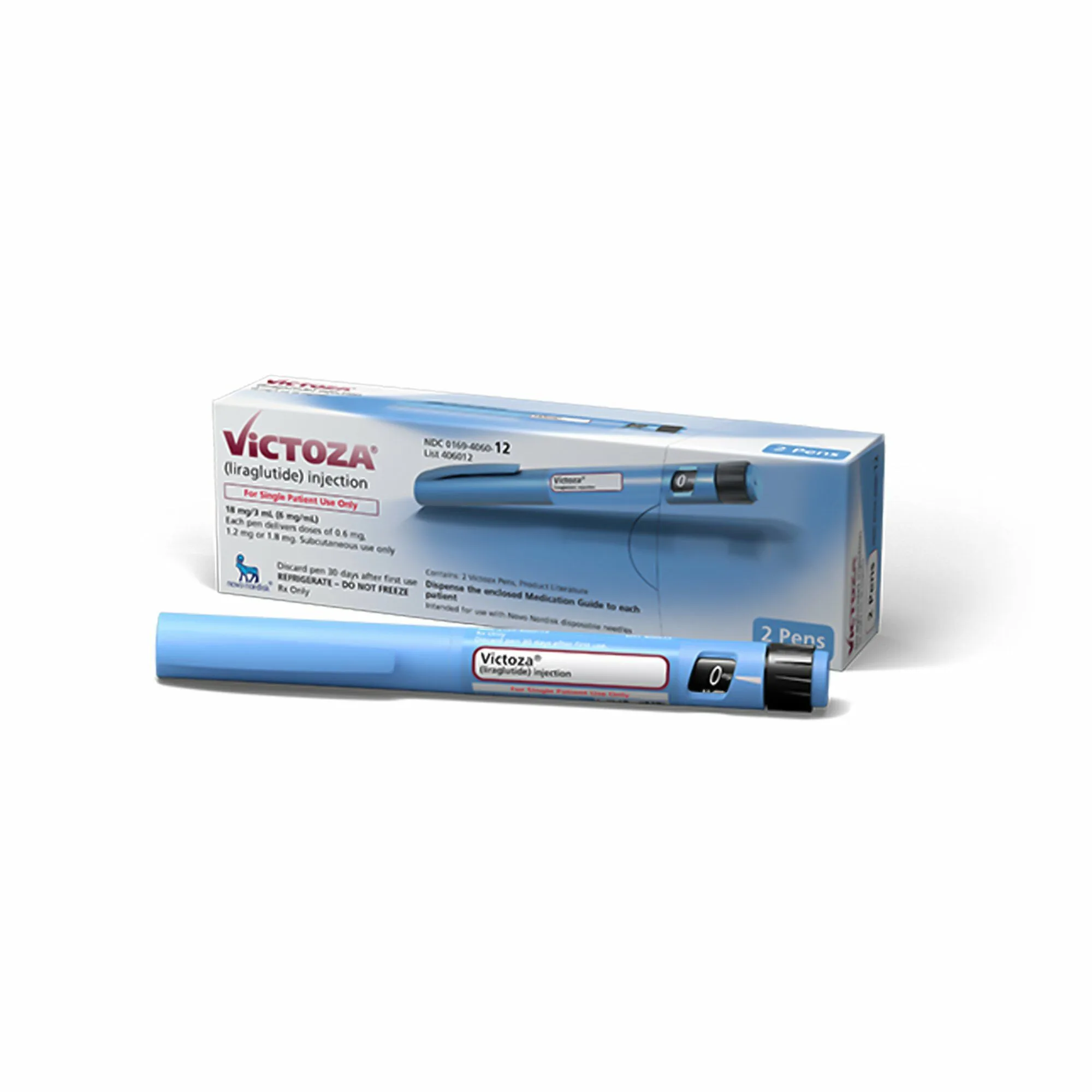
Consumers often choose generic drugs because they are typically more affordable than brand-name medications. This cost savings can be significant, making medication more accessible for a wider range of people. Despite their lower price, generic drugs provide the equivalent therapeutic benefits as brand-name medications, offering patients a viable and often cost-effective option.
Reducing Expenses with Generic Medications
Opting for generic prescriptions can be a smart way to reduce money on your healthcare bills. Store-brand medications contain the same active ingredients as brand-name drugs, but are often available at a substantially lower rate. By choosing generics when possible, you can free up funds for other priorities or simply put more money back in your pocket.